When it comes to baking, a 9×13 foil baking pan is a staple in many kitchens. It’s versatile, lightweight, and easy to store, making it a go-to choice for everything from lasagnas to brownies. However, like any kitchen tool, it requires proper care to ensure it lasts through countless baking adventures. In this article, we will explore practical tips and strategies to extend the life of your 9×13 foil baking pan, ensuring it remains a reliable companion for years to come.
Understanding Your Foil Baking Pan

Before diving into care tips, it’s essential to understand what makes foil baking pans unique. These pans are typically made from aluminum, which has excellent heat conductivity. However, this quality also means they can be prone to warping, scratching, and tearing if not handled correctly.
The Benefits of Foil Baking Pans
Foil baking pans offer several advantages:
- Lightweight: Easy to handle and transport.
- Affordable: Generally cheaper than glass or ceramic pans.
- Disposable: Ideal for potlucks and gatherings; no need to worry about getting your pan back.
- Recyclable: Many foil pans can be recycled, making them an eco-friendly option.
Proper Cleaning Techniques
One of the most critical aspects of maintaining your foil baking pan is proper cleaning. Improper cleaning can lead to scratches and damage that compromise the pan’s integrity.
Cleaning Do’s
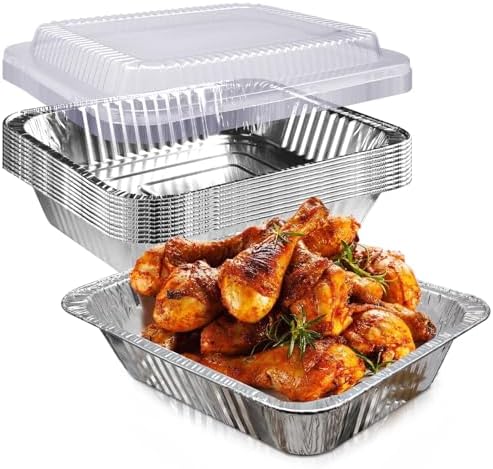
To keep your foil baking pan in top condition, follow these cleaning guidelines:
- Cool Before Cleaning: Allow the pan to cool after use. Sudden temperature changes can cause the aluminum to warp.
- Hand Wash Only: Use warm, soapy water and a soft sponge. Avoid steel wool or abrasive cleaners, which can scratch the surface.
- Soak for Stubborn Residue: If food is stuck, soak the pan in warm, soapy water before scrubbing.
- Dry Thoroughly: Make sure to dry the pan completely to prevent any water spots or corrosion.
Cleaning Don’ts

Equally important is what you should avoid when cleaning:
- Avoid Dishwashers: The high heat and aggressive cleaning cycles can warp aluminum pans.
- Don’t Use Sharp Utensils: Cutting food in the pan can lead to scratches and tears.
- Never Store with Food Residue: Leftover food can lead to staining and unpleasant odors.
Best Practices for Usage
How you use your foil baking pan can significantly impact its longevity. Here are some best practices to consider:
Prepping Your Pan
Preparation is key to ensuring your pan stays in good condition:
- Use Non-Stick Spray: Lightly coating the pan before use can prevent sticking and make cleanup easier.
- Line with Parchment Paper: For recipes that may stick, consider lining the bottom with parchment paper for added protection.
- Avoid Overfilling: Do not fill the pan to the brim, as this can cause spills and make cleaning more difficult.
Cooking Techniques to Consider

Different cooking methods can affect the durability of your pan:
- Low to Medium Heat: Avoid using very high temperatures, which can cause warping.
- Oven-Safe Only: Ensure your pan is rated for oven use; some disposable pans may not withstand high temperatures.
- Use Caution with Broiling: Avoid placing the pan too close to the broiler, which can lead to uneven heating and warping.
Storing Your Foil Baking Pan

Proper storage is crucial for prolonging the life of your foil baking pan. Here are some storage tips:
Safe Storage Options
When not in use, consider these storage tips:
- Stacking Wisely: If you stack pans, place a piece of parchment paper between them to prevent scratches.
- Avoid Heavy Items: Do not place heavy items on top of your foil baking pan, which can cause bending or warping.
- Store in a Cool, Dry Place: Avoid areas with high humidity, as moisture can lead to corrosion.
Long-Term Storage Considerations
If you plan to store your foil pans for an extended period, consider these additional tips:
- Wrap for Protection: Consider wrapping your pans in plastic wrap or aluminum foil to keep them clean and protected.
- Labeling: If you have multiple pans in different sizes, label them for easy identification.
When to Replace Your Foil Baking Pan

Even with the best care, foil baking pans may eventually need replacing. Here are signs it might be time for a new one:
- Visible Damage: Look for cracks, tears, or significant warping.
- Staining: If the pan has stubborn stains that don’t come out after cleaning, it may be time to let it go.
- Poor Performance: If you notice uneven cooking or sticking, it may be a sign that the pan has worn out.
Taking care of your 9×13 foil baking pan is essential for maximizing its lifespan and ensuring successful baking experiences. By following the cleaning, usage, and storage tips outlined in this article, you can keep your pan in excellent condition for years to come. Remember, a little care goes a long way in preserving the integrity of your kitchen tools. So the next time you reach for your trusty foil baking pan, you can do so with confidence, knowing you’ve taken the right steps to ensure its longevity.