Power washers are essential tools for maintaining cleanliness and restoring surfaces, whether it’s your driveway, deck, or patio. However, like any machinery, they require regular maintenance to function optimally. One critical component often overlooked is the air filter. A clogged or damaged air filter can impact performance and longevity. In this article, we will explore the signs that indicate your power washer’s air filter needs replacement, along with maintenance tips to ensure your equipment runs smoothly.
Understanding the Importance of the Air Filter
The air filter in a power washer plays an essential role in ensuring that the engine receives clean air. This is crucial for optimal combustion, which affects performance and efficiency. A dirty or damaged filter can lead to various problems, including:
- Reduced engine performance
- Increased fuel consumption
- Higher emissions
- Potential engine damage
Regularly checking and replacing the air filter can extend the life of your power washer and improve its efficiency. Let’s delve into the signs that indicate it may be time for a replacement.
Signs Your Power Washer Air Filter Needs Replacement
1. Decreased Engine Performance
If you notice your power washer struggling to start or running poorly, it may be an indication that the air filter is clogged. A clean air filter allows for optimal airflow, while a dirty one restricts it, leading to:
- Loss of power during operation
- Difficulty starting the engine
- Unusual sputtering or stalling
For example, a case study conducted by the Consumer Product Safety Commission found that a significant number of power washer failures were linked to fuel and air supply issues, with clogged air filters being a common culprit.
2. Excessive Smoke Emission

Another warning sign of a failing air filter is the emission of excessive smoke from the engine. When the air filter is clogged, the engine cannot get enough air for proper combustion, leading to:
- Increased fuel consumption
- Incomplete combustion
- Higher emissions of unburned fuel, which appears as smoke
In a study by the Environmental Protection Agency (EPA), it was noted that engines running with restricted airflow could emit up to 50% more pollutants than those with properly functioning air filters. This not only harms your equipment but also contributes to environmental pollution.
3. Unusual Engine Sounds

Pay attention to the sounds your power washer makes during operation. If you notice any unusual or harsh noises, it could indicate that the air filter is affecting engine performance. Signs to listen for include:
- Knocking or pinging sounds
- Rattling noises
- Backfiring or popping sounds
These sounds may result from improper combustion due to a lack of sufficient air, leading to inefficiencies and potential engine damage over time.
4. Increased Fuel Consumption
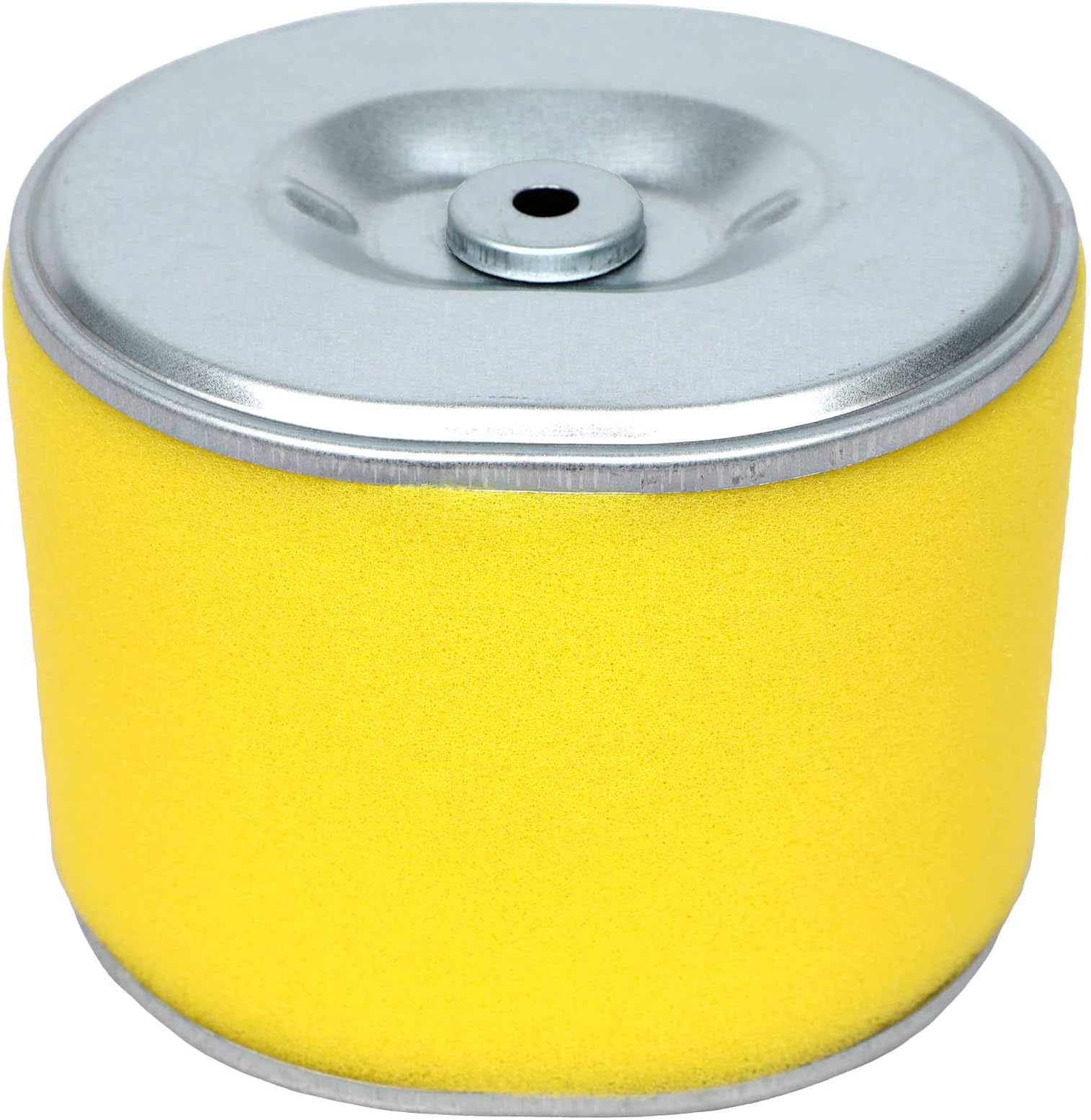
A clogged air filter can lead to increased fuel consumption, as the engine compensates for the lack of air by burning more fuel. If you find yourself refueling more frequently than usual, it may be time to check the air filter. Monitor your usage patterns, and consider the following:
- If you typically use a tank of fuel for a certain area, but now you’re using two, it’s a red flag.
- Check the manufacturer’s specifications for average fuel consumption.
According to the American Society of Mechanical Engineers, maintaining clean air filters can improve fuel efficiency by up to 10%, which is significant for both your wallet and the environment.
5. Visual Inspection of the Air Filter
One of the simplest ways to determine if your air filter needs replacement is through a visual inspection. Here’s what to look for:
- **Dirt and Debris**: If you see significant buildup of dirt, dust, or debris on the filter, it’s time for a change.
- **Tears or Cracks**: Any physical damage to the filter, such as tears or cracks, will compromise its effectiveness.
- **Discoloration**: A filter that has turned dark or discolored may indicate it’s no longer functioning properly.
Regular visual inspections can help you catch these issues early, preventing further damage to your power washer.
6. Maintenance History

Consider your maintenance habits. If you haven’t replaced the air filter in a while, it’s likely due for a change. General guidelines suggest:
- Replacing the air filter every 50 hours of operation or annually, whichever comes first.
- If you use your power washer in dusty or dirty environments, check the filter more frequently.
Keeping a maintenance log can help track when parts were last replaced, making it easier to schedule future maintenance.
How to Replace the Air Filter
Replacing the air filter is a straightforward process that can be done with minimal tools. Here’s a step-by-step guide:
- **Turn Off and Unplug the Power Washer**: Always ensure the machine is off and disconnected from any power source.
- **Locate the Air Filter**: Refer to your owner’s manual to find the air filter’s location.
- **Remove the Old Filter**: Carefully detach the old filter, taking note of how it is positioned.
- **Clean the Housing**: Before installing the new filter, clean the housing area of any dirt or debris.
- **Install the New Filter**: Place the new filter in the same position as the old one, ensuring it fits snugly.
- **Reassemble and Test**: Put everything back together, and perform a test run to ensure everything is working properly.
Maintaining the air filter in your power washer is crucial for optimal performance and longevity. Being aware of the signs that indicate it needs replacement—such as decreased engine performance, excessive smoke, unusual engine sounds, increased fuel consumption, and visual cues—can save you time and money in the long run. Regular inspections and replacements, combined with a solid maintenance routine, will ensure your power washer remains a reliable tool for all your cleaning needs.
In summary, keeping an eye on the health of your air filter is not just about maintaining efficiency; it’s also about protecting your investment. By following the tips outlined in this article, you can ensure your power washer continues to operate at peak performance for years to come.