In today’s environmentally conscious world, consumers are increasingly aware of their choices and their impact on the planet. One product that has drawn attention is bottled water, particularly brands like Fiji Water. Known for its pristine source and marketing appeal, Fiji Water offers a unique case study in sustainability, especially when considering its 24-pack offering. This article explores the environmental implications of Fiji Water’s packaging, production processes, and transportation, while also suggesting ways to adopt more sustainable sipping habits.
The Allure of Fiji Water

Fiji Water is often regarded as a premium bottled water brand, sourced from a remote aquifer in Fiji. Its marketing focuses on the water’s natural purity and the brand’s commitment to environmental sustainability. However, the environmental impact of the packaging and distribution of Fiji Water, particularly in its 24-pack format, raises significant concerns.
Understanding the Environmental Impact

1. Packaging Waste

The 24-pack of Fiji Water consists of 500 mL plastic bottles, contributing to the growing problem of plastic waste. Here are some key points to consider:
- The production of plastic bottles is energy-intensive, requiring fossil fuels for both extraction and manufacturing.
- In the United States alone, approximately 35 billion plastic water bottles are used each year, with a significant percentage ending up in landfills.
- Recycling rates for plastic bottles remain low, with only about 29% of PET bottles being recycled in the U.S. according to the Environmental Protection Agency.
2. Carbon Footprint of Production and Transportation
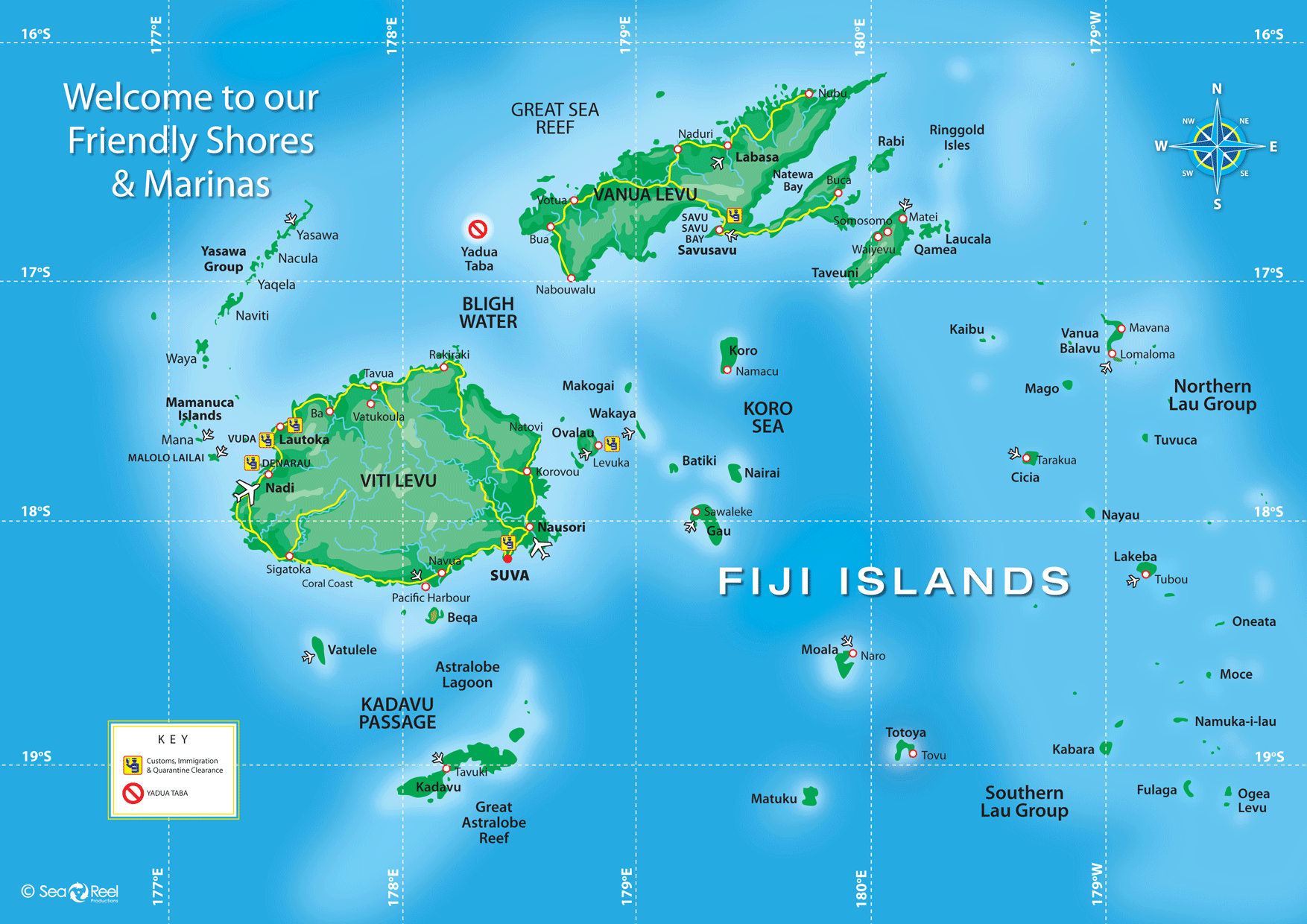
Fiji Water’s journey from the islands of Fiji to consumers worldwide contributes to a substantial carbon footprint. Factors to consider include:
- Water extraction: Fiji Water extracts water from a deep aquifer, a process that consumes energy and can disrupt local ecosystems.
- Transportation: The bottled water is shipped across the globe, primarily to North America and Europe, leading to significant greenhouse gas emissions. Reports suggest that transporting bottled water can produce up to 1.5 kg of CO2 emissions per liter.
- Overall, the transportation of Fiji Water is often cited as a primary contributor to its environmental impact, with data showing that bottled water has a carbon footprint that is up to 3,000 times greater than tap water.
3. Water Usage and Local Impact
![[100+] Fiji Wallpapers](https://wallpapers.com/images/hd/fiji-island-cottages-gc81aqvmaio5bui0.jpg)
While Fiji Water markets itself as a sustainable brand, the local environmental impact of water extraction is a critical consideration:
- Indigenous communities in Fiji have raised concerns about the depletion of local water resources due to Fiji Water’s extraction practices.
- Water extraction can lower the water table, affecting local agriculture and drinking water supplies.
- Despite claims of sustainability, the long-term viability of Fiji Water’s extraction practices remains in question, especially in the face of climate change.
Case Studies and Real-World Implications
Several studies highlight the environmental implications of bottled water consumption, particularly premium brands like Fiji Water. For example, a study conducted by the Pacific Institute found that bottled water has a much larger environmental footprint compared to tap water. Additionally, a case study on Fiji Water demonstrated the ecological impact of large-scale water extraction on the local environment, emphasizing the tension between commercial interests and community needs.
Consumer Choices: Toward Sustainable Sipping
Given the environmental implications associated with Fiji Water’s 24-pack, consumers have alternatives for more sustainable sipping. Here are some actionable steps to reduce your environmental footprint:
- Choose Tap Water: In many regions, tap water is safe, affordable, and significantly more environmentally friendly than bottled water.
- Use Reusable Bottles: Invest in a high-quality reusable water bottle to reduce plastic waste and enhance your hydration experience.
- Support Local Brands: Opt for local water brands that prioritize sustainability and have a smaller carbon footprint.
- Research Brands: Look for bottled water brands that use eco-friendly packaging or have a clear sustainability mission.
The Future of Sustainable Sipping

The environmental impact of Fiji Water’s 24-pack serves as a reflection of the broader issues surrounding bottled water consumption. While Fiji Water markets itself as a premium and sustainable choice, the reality is that its production, packaging, and transportation practices contribute significantly to environmental degradation. Consumers have the power to make more informed choices that prioritize sustainability and reduce their ecological footprint.
As we navigate through a world increasingly affected by climate change, the responsibility to choose sustainable options lies with each of us. By opting for tap water, using reusable bottles, and supporting local brands, we can collectively move toward a future of sustainable sipping. The allure of Fiji Water may be strong, but the call for sustainable consumption is stronger. Let us heed that call in our everyday choices.