The International DT466E engine has long been a staple in the commercial vehicle market, providing reliability and efficiency in various applications, including school buses, delivery trucks, and agricultural machinery. One of the critical components that ensure optimal fuel delivery and engine performance is the Integrated Pressure Regulator (IPR) valve. Understanding its role and functionality can help mechanics and fleet managers maintain these engines effectively. This article delves into the IPR valve’s importance in fuel delivery for the DT466E engine, its operational mechanisms, and the implications of its performance on overall engine efficiency.
Understanding the IPR Valve

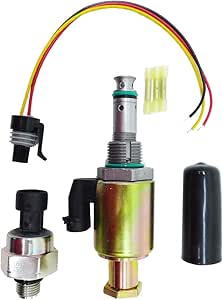
The Integrated Pressure Regulator (IPR) valve is an essential component of the fuel system in the DT466E engine. It is responsible for regulating the fuel pressure supplied to the fuel injectors, ensuring that the engine receives the appropriate amount of fuel for combustion under varying operating conditions. The IPR valve plays a crucial role in maintaining the engine’s performance and efficiency, directly impacting fuel economy and emissions.
Key Functions of the IPR Valve

The IPR valve serves several essential functions in the DT466E engine’s fuel delivery system:
- Pressure Regulation: The IPR valve modulates the fuel pressure delivered to the injectors, ensuring that it remains within the optimal range for efficient combustion.
- Response to Engine Load: It adjusts fuel pressure based on the engine load, allowing for more fuel during acceleration and less during deceleration.
- Engine Performance Optimization: By maintaining the ideal fuel pressure, the IPR valve helps optimize engine performance, responsiveness, and overall drivability.
How the IPR Valve Works

The operation of the IPR valve is a finely tuned process that involves several components and signals from the engine control unit (ECU). Here’s a breakdown of how the IPR valve works:
- Electrical Signal: The ECU sends an electrical signal to the IPR valve based on various parameters, including engine speed, load, and temperature.
- Pressure Modulation: The IPR valve uses this signal to open or close, adjusting the amount of fuel that is returned to the fuel tank. This modulation helps maintain the desired fuel rail pressure.
- Feedback Loop: The system is a closed loop, meaning the ECU continuously monitors the fuel rail pressure and adjusts the IPR valve accordingly to ensure consistent performance.
Importance of Fuel Rail Pressure
The fuel rail pressure is critical for the optimal operation of the DT466E engine’s fuel injectors. If the pressure is too low, the injectors may not deliver enough fuel, leading to poor engine performance and increased emissions. Conversely, excessively high pressure can cause injector flooding, leading to misfires and potential engine damage. The IPR valve’s ability to regulate this pressure is vital for:
- Efficient Combustion: Ensures that the correct air-fuel mixture is maintained, improving combustion efficiency.
- Fuel Economy: Optimizes fuel usage, contributing to better miles per gallon (MPG) ratings.
- Emissions Control: Helps minimize harmful emissions by ensuring complete combustion of the fuel.
Common Issues with the IPR Valve
While the IPR valve is designed for durability, it is not immune to wear and tear. Several common issues can arise that affect its performance:
- Clogging: Over time, contaminants and debris can clog the IPR valve, leading to fluctuating fuel pressure.
- Electrical Failures: Faulty wiring or connections can prevent the IPR valve from receiving the correct signals from the ECU.
- Mechanical Failures: Wear and tear can lead to mechanical failures in the valve itself, resulting in pressure regulation issues.
Symptoms of a Failing IPR Valve

Recognizing the symptoms of a failing IPR valve can help prevent more severe engine issues. Common signs include:
- Hard starting or failure to start.
- Rough idling or stalling.
- Reduced power output and acceleration.
- Increased fuel consumption.
- Check Engine Light (CEL) illumination.
Case Studies: IPR Valve Performance in Real-World Applications
Understanding the role of the IPR valve in practical scenarios can provide valuable insights for fleet managers and mechanics. Here are two case studies that highlight its importance:
Case Study 1: School Bus Fleet
A school district operating a fleet of DT466E-powered buses noticed a decline in fuel efficiency and an increase in maintenance costs. After thorough diagnostics, it was determined that several buses had failing IPR valves, leading to improper fuel pressure and injector performance. Upon replacing the IPR valves, the district observed:
- A 15% improvement in fuel economy.
- Reduced maintenance costs due to fewer injector issues.
- Enhanced overall engine performance.
Case Study 2: Delivery Truck Operations
A logistics company experienced frequent stalling issues in their DT466E delivery trucks. After investigating, the mechanics found that the IPR valves were frequently clogged due to contaminated fuel. By implementing a regular fuel filtration system and timely IPR valve maintenance, the company achieved:
- Improved vehicle reliability, with a significant reduction in breakdowns.
- Increased delivery efficiency, leading to higher customer satisfaction.
Best Practices for IPR Valve Maintenance
To ensure the longevity and optimal performance of the IPR valve, consider the following best practices:
- Regular Inspections: Schedule routine inspections of the fuel system, including the IPR valve, to identify any potential issues early.
- Fuel Quality Control: Use high-quality fuel and implement filtration systems to prevent contaminants from damaging the IPR valve.
- Timely Repairs: Address any warning signs promptly to prevent further engine damage and costly repairs.
The Integrated Pressure Regulator (IPR) valve is a vital component in the fuel delivery system of the DT466E engine. Its ability to regulate fuel pressure directly impacts engine performance, fuel efficiency, and emissions control. Recognizing the signs of a failing IPR valve and implementing best maintenance practices can contribute significantly to the longevity and reliability of the DT466E engine. By understanding the role of the IPR valve, fleet managers and mechanics can optimize their operations, reduce costs, and enhance overall vehicle performance. In an industry where efficiency and reliability are paramount, the IPR valve remains an unsung hero in the quest for optimal engine performance.