The International DT466E engine is a robust powerplant that has gained a reputation for its durability and performance in various applications, from school buses to heavy-duty trucks. However, like any engine, it has its share of common issues, particularly with the Injection Pressure Regulator (IPR) valve. This article will explore the common problems associated with the DT466E IPR valve, how to diagnose these issues, and provide valuable insights into maintaining the engine’s performance.
Understanding the IPR Valve
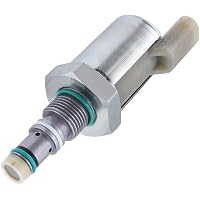
The Injection Pressure Regulator (IPR) valve is a critical component in the fuel injection system of the DT466E engine. Its primary function is to control the injection pressure by regulating the oil flow to the fuel injectors. This regulation is crucial for optimal engine performance, fuel efficiency, and emissions control. When the IPR valve malfunctions, it can lead to various engine performance issues.
Common Issues with the DT466E IPR Valve

Several common issues can arise with the IPR valve in the DT466E engine. Understanding these problems will help in diagnosing and resolving them effectively.
- IPR Valve Failure: Over time, the IPR valve can fail due to wear and tear, exposure to heat, and contamination from engine oil.
- Oil Leaks: A leaking IPR valve can cause a drop in oil pressure, affecting the entire fuel injection system.
- Electrical Issues: The IPR valve operates electronically, and issues with its wiring or connectors can lead to malfunction.
- Sticking Valve: Carbon buildup can cause the IPR valve to stick, leading to erratic fuel injection and performance issues.
- Faulty Sensor Readings: If the engine’s control module receives inaccurate readings from the IPR valve, it can cause improper fuel delivery.
Diagnosing IPR Valve Issues

Diagnosing issues with the IPR valve in the DT466E engine requires a systematic approach. Below are key steps and techniques to identify potential problems.
1. Visual Inspection
The first step in diagnosing IPR valve issues is to conduct a thorough visual inspection of the engine. Look for the following:
- Signs of oil leaks around the IPR valve area.
- Cracked or damaged wiring harnesses connected to the IPR valve.
- Carbon buildup or debris around the valve that could cause sticking.
2. Check for Diagnostic Trouble Codes (DTCs)

Using an OBD-II scanner, check for any Diagnostic Trouble Codes that may indicate IPR valve issues. Common codes related to the IPR valve include:
- P2285: IPR Sensor Circuit Low.
- P2286: IPR Sensor Circuit High.
- P0299: Turbocharger/Supercharger A Underboost Condition.
These codes can help pinpoint the exact issue and guide further diagnostics.
3. Testing the IPR Valve

To test the IPR valve itself, follow these steps:
- Disconnect the electrical connector from the IPR valve.
- Using a multimeter, check the resistance of the IPR valve coil. It should typically range between 2 to 3 ohms.
- Apply 12 volts to the IPR valve and observe its operation. The valve should open and close smoothly without sticking.
4. Oil Pressure Test
An oil pressure test can provide valuable insights into the health of the IPR valve. Here’s how to perform the test:
- Install an oil pressure gauge in the engine’s oil pressure port.
- Start the engine and observe the oil pressure readings.
- Compare the readings to the manufacturer’s specifications. A drop in pressure may indicate a faulty IPR valve.
Case Study: A Common IPR Valve Failure

Consider a case involving a fleet of buses equipped with the DT466E engine. The fleet manager noticed a decrease in fuel efficiency and an increase in engine stalling. After conducting preliminary diagnostics, the mechanic discovered a P2285 code indicating an issue with the IPR valve. Upon further inspection, they found significant oil leaks around the valve, accompanied by a sticking condition caused by carbon buildup.
After replacing the IPR valve and cleaning the surrounding area, the buses returned to optimal performance, demonstrating the importance of regular maintenance and timely diagnostics.
Preventive Maintenance Tips
To prevent IPR valve issues in the future, consider the following preventive maintenance tips:
- Regularly change the engine oil and filter to minimize contamination.
- Keep the engine clean, especially around the IPR valve area, to prevent carbon buildup.
- Inspect the wiring and connectors associated with the IPR valve during routine maintenance.
- Monitor engine performance and address any warning lights promptly.
The IPR valve in the DT466E engine is a vital component that can significantly impact engine performance and efficiency. By understanding common issues such as valve failure, oil leaks, and electrical problems, along with effective diagnostic techniques, owners and mechanics can maintain the health of this robust engine. Regular inspections, prompt diagnostics, and preventive maintenance will help ensure that the DT466E engine remains a reliable workhorse for years to come. Whether you’re dealing with a fleet or a single vehicle, knowledge of the IPR valve’s function and potential issues is essential for optimal engine management.