Red hot ointment has garnered significant attention in the realms of natural remedies and topical treatments for its alleged effectiveness in alleviating pain and inflammation. This ointment, often characterized by its distinctive red hue and strong scent, is typically used for muscle soreness, joint pain, and other inflammatory conditions. In this article, we will delve into the key ingredients of red hot ointment, their individual properties, and how they contribute to its overall efficacy.
The Key Ingredients of Red Hot Ointment

The effectiveness of red hot ointment largely relies on its carefully selected ingredients, each chosen for their unique therapeutic properties. Below, we explore some of the most common components found in these ointments:
- Capsaicin: A natural compound derived from chili peppers, capsaicin is renowned for its pain-relieving properties. It works by temporarily desensitizing pain receptors in the skin, making it effective for conditions like arthritis and neuropathic pain.
- Menthol: Known for its cooling sensation, menthol is used to soothe muscle aches and strains. It stimulates the skin’s cold receptors, providing immediate relief while encouraging blood flow to the area.
- Eucalyptus Oil: This essential oil contains anti-inflammatory and analgesic properties. Eucalyptus oil can help relieve pain and swelling, making it a valuable addition to red hot ointment.
- Camphor: With a strong aroma, camphor has been utilized for centuries in medicinal applications. It provides a warming sensation that can help improve circulation and alleviate muscle stiffness.
- Turpentine Oil: Often derived from pine trees, turpentine oil has antiseptic properties. It can help relieve pain and inflammation while also promoting healing in the affected area.
How These Ingredients Work Together
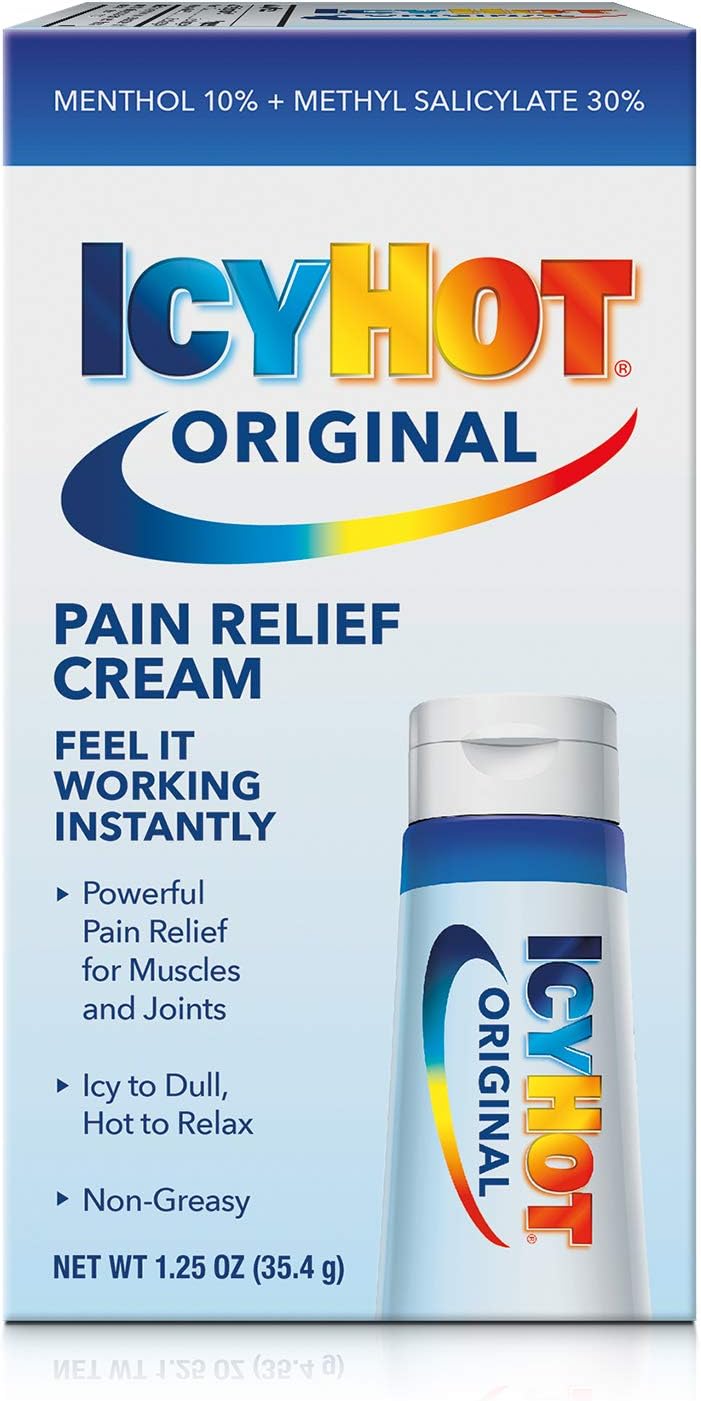
When combined, the ingredients in red hot ointment create a synergistic effect that enhances their individual benefits. Here’s how these components work together to provide relief:
- Pain Relief: Capsaicin and menthol provide dual-action pain relief. While capsaicin reduces the sensation of pain, menthol offers immediate cooling relief, making it easier for users to manage discomfort.
- Increased Blood Flow: Ingredients like camphor and eucalyptus oil promote blood circulation, which can aid in the healing process by delivering more oxygen and nutrients to the affected tissues.
- Anti-Inflammatory Properties: Eucalyptus oil and turpentine oil contribute to reducing inflammation, which is crucial for conditions like arthritis and muscle strains.
Case Studies and Statistics
Numerous studies support the effectiveness of the ingredients found in red hot ointment. For instance, a clinical trial published in the Journal of Pain Research demonstrated that capsaicin cream significantly reduced pain levels in patients suffering from osteoarthritis. Participants who applied capsaicin experienced more than a 30% reduction in pain compared to those using a placebo.
Another study conducted by the American Journal of Sports Medicine found that menthol-based topical treatments could reduce muscle soreness after exercise. The study concluded that menthol’s cooling effect, combined with its ability to stimulate blood flow, makes it an effective choice for athletes looking to recover from strenuous activity.
Practical Applications of Red Hot Ointment

Red hot ointment is versatile and can be used in various contexts, including:
- Sports and Exercise: Athletes often apply red hot ointment before or after workouts to prevent muscle soreness and enhance recovery.
- Arthritis Management: Individuals suffering from arthritis can use red hot ointment to alleviate joint pain and stiffness, improving their overall quality of life.
- Chronic Pain Conditions: Patients with chronic pain conditions, such as fibromyalgia or neuropathy, may find relief through regular application of red hot ointment.
Safety and Considerations

While red hot ointment is generally safe for topical use, it’s essential to consider the following:
- Skin Sensitivity: Individuals with sensitive skin may experience irritation or a burning sensation upon application. It’s advisable to conduct a patch test before using the ointment extensively.
- Avoiding Open Wounds: Red hot ointment should not be applied to broken skin or open wounds, as this can lead to irritation or infection.
- Consultation with Healthcare Providers: Always consult with a healthcare provider before using red hot ointment, especially for those with underlying health conditions or those who are pregnant or breastfeeding.
Red hot ointment is an intriguing blend of natural ingredients that work synergistically to provide pain relief and reduce inflammation. With key components like capsaicin, menthol, eucalyptus oil, camphor, and turpentine oil, this topical treatment offers a multifaceted approach to managing pain and discomfort. Supported by research and widely utilized in various contexts—from sports recovery to chronic pain management—red hot ointment represents a valuable tool in both traditional and modern medicine.
As with all treatments, it is essential to understand individual sensitivities and consult with healthcare professionals to ensure safe usage. By exploring the science behind red hot ointment, we can appreciate the powerful effects of nature’s ingredients and their potential to enhance our overall well-being.