In our fast-paced world, waking up on time is crucial, making alarm clocks an essential part of our daily routines. However, the importance of choosing the right battery for your alarm clock often goes overlooked. This guide will help you navigate the maze of battery options, ensuring your alarm clock operates reliably every morning.
Understanding Alarm Clock Power Requirements

Before diving into battery selection, it’s essential to understand the power requirements of your alarm clock. Different types of alarm clocks may have varying power needs. Here are some common types:
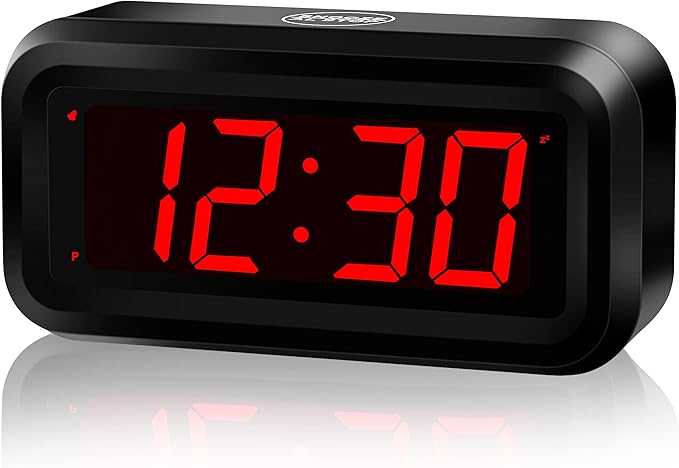
- Digital Alarm Clocks: Generally powered by batteries or plugged into an outlet, these clocks often require specific battery types.
- Analog Alarm Clocks: Typically run on AA or AAA batteries, these clocks are often simpler and less power-hungry.
- Smart Alarm Clocks: These devices usually require a constant power supply and have backup batteries for power outages.
Types of Batteries for Alarm Clocks

Choosing the right battery type is crucial for optimal performance. Here are the most common battery options available for alarm clocks:
- Alkaline Batteries: The most commonly used battery, alkaline batteries are inexpensive and available in various sizes. They typically have a shelf life of 5-10 years.
- Rechargeable NiMH (Nickel-Metal Hydride) Batteries: These batteries can be recharged and are eco-friendly. They usually have a lower voltage than alkaline batteries (1.2V vs. 1.5V) but can be a good choice for devices used frequently.
- Lithium Batteries: Known for their long lifespan and superior performance in extreme temperatures, lithium batteries are ideal for alarm clocks that require a consistent power supply.
- CR2032 Button Cell Batteries: Commonly used in digital clocks, these small batteries are compact and provide reliable power.
Factors to Consider When Choosing Batteries

When selecting a battery for your alarm clock, consider the following factors:
1. Battery Life
The longevity of the battery greatly influences your choice. Alkaline batteries typically last longer than rechargeable options, but if you frequently use your alarm clock, rechargeable batteries might be more economical in the long run.
2. Cost
Factor in the initial cost and the cost of replacement. While rechargeable batteries may cost more upfront, they can save money over time.
3. Environmental Impact
With increasing awareness of environmental issues, consider using rechargeable or eco-friendly batteries to reduce waste.
4. Usage Frequency
Consider how often your alarm clock runs. For clocks with frequent usage, invest in higher-quality batteries that deliver consistent power.
Case Study: Battery Performance in Alarm Clocks

A 2021 study conducted by Battery University analyzed the performance of various battery types in alarm clocks. The study monitored battery life, power delivery, and environmental factors. Here are some key findings:
- Alkaline batteries: Lasted an average of 6-8 months in continuous use.
- NiMH batteries: Required recharging after approximately 3-4 months of regular use.
- Lithium batteries: Outperformed other types, lasting over a year in similar conditions.
This data suggests that while alkaline batteries may be the most cost-effective for infrequent use, lithium batteries may provide the best performance for daily alarm clocks.
How to Care for Your Alarm Clock Battery

Maintaining your alarm clock battery can extend its life and ensure reliable performance. Here are some tips:
- Regularly Check Battery Levels: Replace batteries before they deplete to avoid losing time.
- Store Batteries Properly: Keep spare batteries in a cool, dry place to prevent leakage and degradation.
- Remove Batteries When Not in Use: If you won’t be using the clock for an extended period, remove the batteries to prevent corrosion.
Choosing the Right Battery Brand
Not all batteries are created equal. Selecting a reputable brand can significantly impact performance. Here are some recommended brands known for quality batteries:
- Energizer: Known for their long-lasting alkaline and lithium batteries.
- Duracell: Offers a wide range of reliable batteries and has a strong reputation in the market.
- Panasonic: Known for their durable rechargeable batteries.
- Rayovac: Offers affordable options without compromising quality.
Choosing the right battery for your alarm clock is crucial to ensure it functions correctly and reliably. By understanding the power requirements, exploring various battery types, and considering factors such as battery life, cost, and environmental impact, you can make an informed decision. Additionally, keeping your clock and its battery in good condition will enhance performance and longevity. Remember to select reputable brands to ensure quality, and you’ll wake up on time every day without a hitch.
Ultimately, whether you opt for alkaline, rechargeable, or lithium batteries, the right choice will lead to a dependable alarm clock that helps you start your day right. Keep this guide handy as a reference for your next battery purchase, and you’ll never be late again!