Buffing wheels are essential tools for achieving a high-gloss finish on various materials, including metals, wood, and plastics. However, improper use can lead to subpar results, damage to the workpiece, or even personal injury. This article explores the common mistakes users make when using buffing wheels on grinders and provides tips for avoiding these pitfalls.
Understanding Buffing Wheels

Buffing wheels come in various materials and types, each suited for specific applications. The primary types include:
- Cotton Buffing Wheels: Ideal for polishing metals to a high shine.
- Felt Buffing Wheels: Suitable for detailed polishing and finishing tasks.
- Flannel Buffing Wheels: Effective for softer materials and delicate finishes.
Understanding the characteristics of each type is crucial for achieving the desired results. Yet, many users make fundamental errors that can hinder their work. Below are some common mistakes to avoid when using buffing wheels on grinders.
1. Using the Wrong Buffing Wheel for the Job
One of the most prevalent mistakes is choosing the wrong type of buffing wheel. Each wheel is designed for specific materials and applications. For example:
- Using a cotton wheel on a soft plastic may cause damage.
- Felt wheels are not ideal for aggressive material removal.
Choosing the correct buffing wheel not only enhances the finish but also prolongs the life of the wheel and reduces the risk of damage to the workpiece. Always match the wheel to the material and the required finish.
2. Neglecting Safety Gear

Safety should always be a priority when operating grinders and buffing wheels. Common safety gear includes:
- Safety Goggles: Protect your eyes from debris.
- Face Shield: Provides additional protection for your face.
- Gloves: Prevents cuts and scrapes, but ensure they are tight-fitting to avoid entanglement.
- Dust Mask: Protects against inhaling dust and particles.
Neglecting to wear proper safety gear can result in serious injuries. According to the Occupational Safety and Health Administration (OSHA), eye injuries account for 20,000 workplace accidents annually, many of which could be prevented with appropriate safety measures.
3. Incorrect Speed Settings
Grinders come with adjustable speed settings, and using the wrong speed can lead to several issues:
- Too high a speed can burn the workpiece, especially with softer materials.
- Too low a speed may not provide enough friction for effective buffing.
It is crucial to consult the manufacturer’s guidelines for both the grinder and the buffing wheel to find the optimal speed. For instance, a speed of around 3,000 to 3,500 RPM is typically recommended for buffing metal.
4. Applying Excessive Pressure

Many users believe that applying more pressure will yield better results. However, excessive pressure can lead to:
- Uneven wear on the buffing wheel.
- Overheating, which can damage both the wheel and the workpiece.
- Increased risk of accidents due to loss of control.
Instead, apply light and consistent pressure, allowing the buffing wheel to do the work. This approach not only enhances the finish but also extends the life of the wheel.
5. Failing to Clean the Buffing Wheel

Over time, buffing wheels can accumulate polishing compounds and debris, leading to diminished performance. Regularly cleaning the buffing wheel helps maintain its effectiveness. Here are some cleaning tips:
- Use a buffing wheel rake to remove built-up compounds.
- Brush the wheel gently to avoid damaging it.
- Replace the wheel if it becomes too worn or damaged.
In a case study from a local machining shop, neglecting to clean buffing wheels led to a 30% increase in time spent on polishing tasks due to inefficient performance.
6. Overusing Polishing Compounds

While polishing compounds are essential for achieving that perfect finish, overusing them can lead to problems such as:
- Excess residue on the workpiece, requiring more cleaning.
- Clogging the buffing wheel, reducing its effectiveness.
Use polishing compounds sparingly and apply them evenly across the buffing wheel. A little goes a long way, and you can always add more if needed.
7. Not Practicing Proper Technique
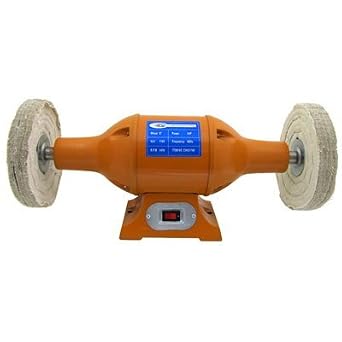
Buffing is as much about technique as it is about the right tools. Common technique mistakes include:
- Buffing with the wheel edge instead of the face.
- Moving the workpiece too quickly across the wheel.
For best results, keep the workpiece flat against the wheel and move it slowly to allow the wheel to effectively polish the surface. As with any skill, practice makes perfect.
8. Ignoring Machine Maintenance
Regular maintenance of the grinder is crucial for optimal performance. Common maintenance practices include:
- Checking and tightening all screws and bolts.
- Inspecting the power cord and plug for damage.
- Cleaning the grinder to prevent dust buildup.
In a survey of professional machinists, those who performed regular maintenance reported a 50% decrease in equipment-related downtime, emphasizing the importance of keeping your tools in top condition.
Using buffing wheels on grinders can yield beautiful, high-gloss finishes when done correctly. However, avoiding common mistakes is essential for achieving the best results while ensuring safety and prolonging the life of your tools. By selecting the right wheel, wearing appropriate safety gear, adjusting speed settings, applying proper pressure, cleaning the wheel, using polishing compounds judiciously, practicing correct technique, and maintaining your equipment, you can enhance your buffing experience. Remember, knowledge and preparation are key to successful buffing projects.