As the world shifts towards more sustainable practices, the importance of eco-friendly storage solutions has never been more prominent. Rice, a staple food for over half the world’s population, is often stored in ways that can lead to waste and environmental harm. This article explores eco-friendly rice storage solutions that not only keep rice fresh but also contribute to sustainable living.
The Importance of Sustainable Rice Storage

Rice storage is crucial for maintaining its quality, taste, and nutritional value. However, traditional storage methods often involve plastic containers or bags that contribute to environmental degradation. According to the Food and Agriculture Organization (FAO), approximately one-third of all food produced globally is wasted, and improper storage is a significant contributor to this issue. Sustainable rice storage solutions can help mitigate waste while promoting a healthier planet.
Understanding Rice’s Storage Needs
Before delving into eco-friendly storage solutions, it is essential to understand rice’s specific storage requirements:
- Moisture Control: Rice is highly susceptible to moisture, which can lead to mold and spoilage.
- Pest Resistance: Rice can attract pests like weevils that can compromise quality.
- Temperature Regulation: Ideal storage temperatures are crucial to prolonging shelf life.
With these needs in mind, let’s explore various eco-friendly rice storage solutions that can help achieve sustainable living.
1. Glass Containers

Glass containers are an excellent eco-friendly option for storing rice. They are non-toxic, reusable, and recyclable, making them a sustainable alternative to plastic. Here’s why glass containers are beneficial:
- Durability: Glass containers can last for years without degrading.
- Visibility: They allow you to see the contents easily, helping you keep track of your supplies.
- Sealing Options: Airtight glass jars prevent moisture ingress and keep pests at bay.
Many brands offer aesthetically pleasing glass storage jars that are both practical and environmentally friendly, making them a great addition to any kitchen.
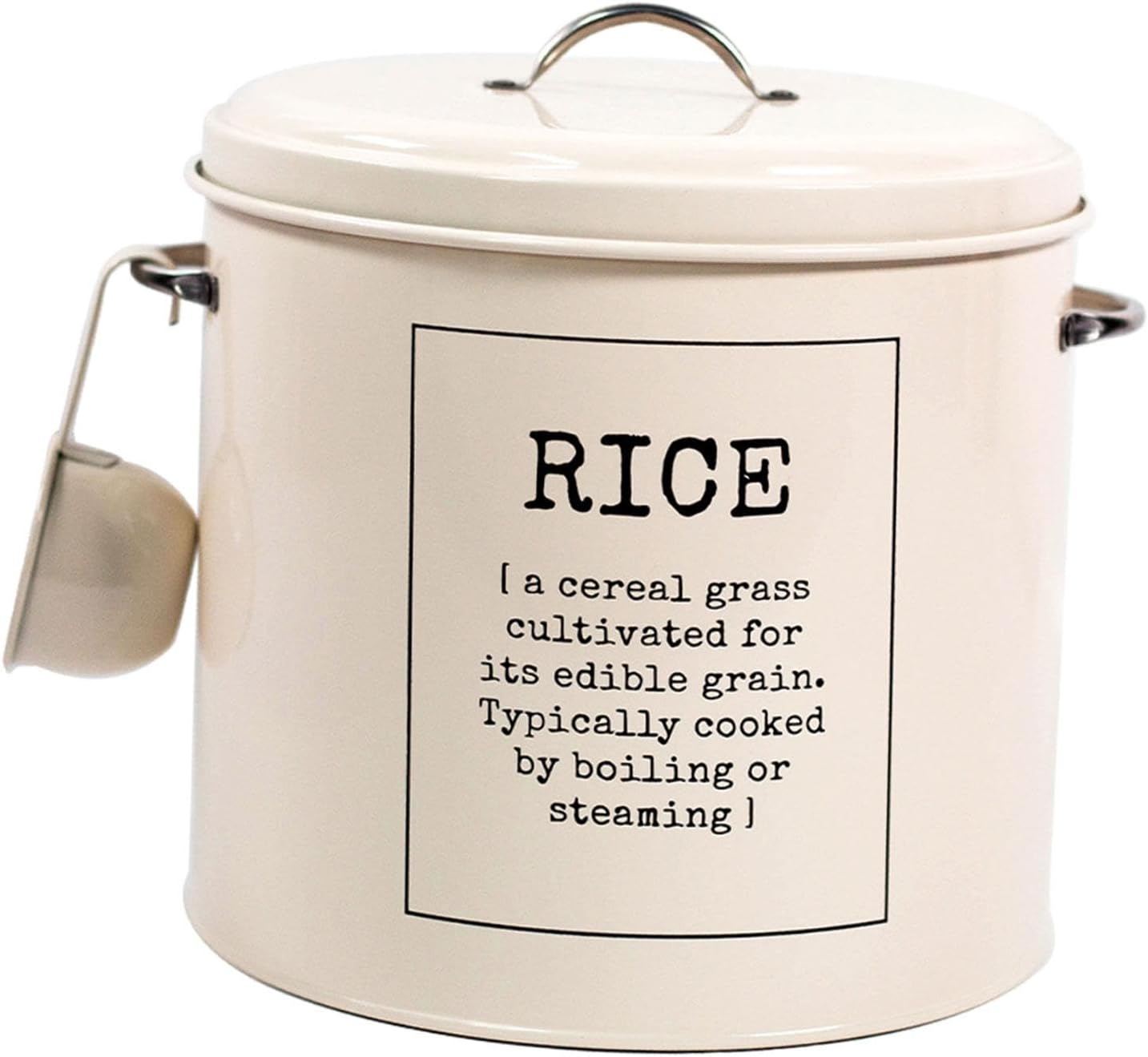
2. Stainless Steel Containers

Stainless steel containers are another fantastic eco-friendly option for rice storage. They are robust, resistant to rust, and do not leach harmful chemicals into food. The benefits of using stainless steel include:
- Long-Lasting: With proper care, stainless steel containers can last a lifetime.
- Insulating Properties: They help maintain temperature, keeping rice fresh.
- Recyclability: Stainless steel is fully recyclable at the end of its life cycle.
Companies like ULINE and Eco-Products offer high-quality stainless steel storage solutions that can suit various kitchen aesthetics and sizes.
3. Natural Fiber Bags
For those who prefer an even more natural approach, using bags made from organic cotton or jute is an excellent choice. These bags are biodegradable and can help regulate moisture. Here are some advantages:
- Breathability: Natural fibers allow air circulation, reducing the risk of mold.
- Lightweight: They are easy to handle and store.
- Eco-Friendly: Being biodegradable, they contribute less waste to landfills.
Many local markets and eco-conscious brands offer these types of bags, which can be an effective way to store smaller quantities of rice.
4. Vacuum Sealing

Vacuum sealing is an advanced method that removes air from the storage environment, significantly extending the shelf life of rice. While not entirely plastic-free, you can use biodegradable vacuum bags to minimize environmental impact. Benefits include:
- Extended Shelf Life: Vacuum-sealed rice can last for years without spoilage.
- Pest Prevention: The lack of air reduces the chance of pest infestations.
- Space Saving: Vacuum-sealed bags take up less space in your pantry or freezer.
For those committed to sustainability, brands like FoodSaver offer options that minimize plastic use and focus on reducing food waste.
5. Airtight Bins Made from Recycled Materials

Investing in airtight bins constructed from recycled materials is another eco-friendly choice. These bins are specially designed to keep out moisture and pests while being gentle on the environment. Key benefits include:
- Environmentally Friendly: Made from recycled plastic, they help reduce waste.
- Effective Sealing: Airtight seals ensure rice stays fresh longer.
- Variety of Sizes: Available in different sizes to accommodate various storage needs.
Brands like Rubbermaid and OXO offer popular options in this category, promoting sustainable practices through their products.
Case Studies: Successful Implementation of Eco-Friendly Rice Storage
Several communities and organizations worldwide have adopted eco-friendly rice storage solutions with notable success. Here are a few examples:
- Rice Storage Initiatives in India: NGOs in India have introduced natural fiber bags for rural farmers to store rice, reducing waste and improving food security.
- Eco-Friendly Practices in Japan: Traditional Japanese households often use ceramic jars for rice storage, which not only preserve quality but also add an aesthetic appeal to kitchens.
- Community Workshops in the U.S.: Various local organizations host workshops teaching sustainable food storage methods, including the use of glass and stainless steel containers.
These case studies highlight the effectiveness of eco-friendly storage solutions in various cultural contexts, encouraging more people to adopt sustainable practices.
Statistics Supporting Eco-Friendly Storage
Several statistics underscore the importance of adopting eco-friendly storage solutions:
- According to the FAO, reducing food waste can lower greenhouse gas emissions by up to 20%.
- Studies show that using airtight containers can reduce spoilage by up to 50%.
- Research indicates that transitioning to sustainable storage options can reduce plastic waste significantly, with glass and metal alternatives contributing to a more circular economy.
Eco-friendly rice storage solutions are not merely a trend; they are a necessity for sustainable living. By choosing options like glass and stainless steel containers, natural fiber bags, vacuum sealing, and airtight bins made from recycled materials, consumers can significantly reduce waste, maintain rice quality, and contribute to a healthier planet. As we move towards a more sustainable future, it’s crucial to embrace these practices and share knowledge within our communities. Together, we can make a significant impact on food waste reduction and environmental preservation.