Cooking is an art that has been perfected over centuries, and the tools we use can significantly influence the final dish. Among these tools, the cauldron cooking pot stands out for its versatility and capacity. Whether you’re a novice cook or a seasoned chef, choosing the right cauldron can elevate your culinary creations. In this article, we will explore various factors to consider when selecting the perfect cauldron cooking pot for your kitchen.
Understanding the Cauldron: A Brief Overview
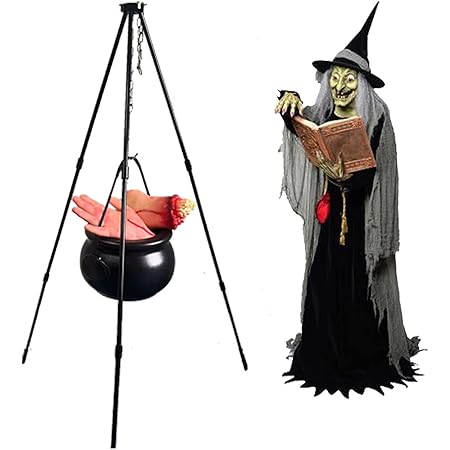
Traditionally associated with witches and folklore, cauldrons have evolved into essential cooking vessels in modern kitchens. Typically made from materials like cast iron, stainless steel, or ceramic, cauldrons are characterized by their round shape, thick walls, and often a sturdy base that allows for even heat distribution.
Key Factors to Consider When Choosing a Cauldron Cooking Pot

1. Material Matters
The material of your cauldron will affect cooking efficiency, durability, and flavor. Below are the most common materials used in cauldron making:
- Cast Iron: Renowned for its heat retention and even cooking, cast iron cauldrons are perfect for slow-cooked stews and soups. They can also be used for baking and frying.
- Stainless Steel: Lightweight and resistant to rust, stainless steel cauldrons are ideal for boiling and steaming. They typically come with aluminum or copper bases for improved heat conduction.
- Ceramic: These cauldrons are often used for serving and slow cooking. They are aesthetically pleasing but can be more fragile than metal options.
2. Size and Capacity
When selecting a cauldron, consider the size based on your cooking needs:
- Small (1-3 quarts): Ideal for small households or side dishes.
- Medium (4-6 quarts): Great for family meals, soups, or stews.
- Large (7+ quarts): Perfect for batch cooking, entertaining, or meal prepping.
Remember that a larger pot may require more storage space and can be heavier when full, so choose a size that fits your lifestyle.
3. Heat Source Compatibility
Not all cauldrons are suitable for every heat source. Consider the following:
- Gas Stoves: Most cauldrons work well on gas stoves, but check for stability.
- Electric Stoves: Ensure your cauldron has a flat bottom for even heating.
- Induction Cooktops: Only magnetic materials like cast iron and stainless steel are compatible.
- Ovens: If you plan to use your cauldron for baking, ensure it is oven-safe.
4. Design and Aesthetics

The design of your cauldron can influence both cooking efficiency and kitchen aesthetics. Consider the following design elements:
- Handles: Look for well-designed handles that provide a secure grip, especially if the cauldron is heavy.
- Lid: A tight-fitting lid can help retain moisture and heat.
- Color and Finish: Choose a color and finish that complements your kitchen décor.
5. Price and Brand Reputation

Investing in a cauldron is a long-term commitment. Here are some considerations regarding price and brands:
- Budget: While you may find budget options, investing in a higher-quality cauldron can yield better results and durability.
- Brand Reputation: Brands like Le Creuset, Lodge, and Cuisinart are known for their quality and customer service.
Case Studies: Successful Cauldron Users
Real-life examples can provide insight into the advantages of selecting the right cauldron. Here are two case studies:
Case Study 1: The Home Cook
Sarah, a home cook, initially opted for a budget stainless steel cauldron. While it met her basic needs, she found that it did not retain heat well for her favorite slow-cooked chili. After researching, she invested in a cast iron cauldron. The result was a rich, flavorful chili that her family loved, showcasing how the right material can significantly impact cooking outcomes.
Case Study 2: The Professional Chef
Chef Marco, who runs a catering business, swears by his large enameled cast iron cauldron. It allows him to make large quantities of risotto for events without compromising on flavor or texture. His investment in a high-quality cauldron has saved him time and improved customer satisfaction, demonstrating the importance of size and reliability in a professional kitchen.
Statistics: The Growing Popularity of Cauldrons

According to a recent survey by the Culinary Institute, over 65% of home cooks are incorporating traditional cooking methods into their practices, with cauldrons being a popular choice. Additionally, the market for cast iron cookware has seen a 30% increase in sales over the past five years, indicating a resurgence in interest for these versatile pots.
Maintenance and Care Tips for Your Cauldron
To ensure the longevity of your cauldron, follow these care tips:
- Cleaning: Avoid using harsh detergents. Instead, use warm water and a soft sponge. For cast iron, a simple rinse and drying are often sufficient.
- Seasoning: For cast iron, regularly season your pot by applying a thin layer of oil to maintain its non-stick surface.
- Storage: Store your cauldron in a dry place to prevent rust and damage.
Making the Right Choice
Choosing the perfect cauldron cooking pot for your kitchen involves careful consideration of various factors, including material, size, heat source compatibility, design, and price. By taking the time to analyze your cooking style and needs, you can select a cauldron that not only enhances your culinary skills but also adds a touch of charm to your kitchen.
Remember the insights from home cooks and professional chefs alike: the right cauldron can transform your cooking experience. Whether you’re simmering soups, braising meats, or baking bread, investing in a high-quality cauldron will pay dividends in both flavor and enjoyment.
Embrace the journey of culinary exploration, and let your cauldron be your trusted companion in the kitchen!