When it comes to baby care products, few brands are as well-known as Johnson & Johnson. Among their offerings, Johnson’s Baby Powder has been a staple in many households for decades. However, recent discussions surrounding the safety of talcum powder and its pricing have led consumers to question whether Johnson’s powder is worth the investment. In this article, we will explore various aspects of Johnson’s Baby Powder, including its ingredients, safety, alternatives, pricing, and consumer experiences, to help you make an informed decision.
The Allure of Johnson’s Baby Powder

Johnson’s Baby Powder has been marketed as a gentle, soothing product designed to keep babies’ skin dry and comfortable. Its primary ingredient, talc, has been traditionally used for its moisture-absorbing properties. The product is often associated with cleanliness, comfort, and the nostalgic scent of baby powder. However, as consumer awareness evolves, so too does the scrutiny of its ingredients and their implications.
Understanding the Ingredients

Johnson’s Baby Powder primarily consists of:
- Talc: A mineral that absorbs moisture and reduces friction.
- Fragrance: To provide the signature baby powder scent.
- Other additives: Depending on the product variation, some versions may include additional ingredients.
While talc is effective at absorbing moisture, concerns have been raised regarding its safety, particularly its potential contamination with asbestos, a known carcinogen. In response to these concerns, Johnson & Johnson announced in 2020 that they would stop selling talc-based baby powder in the U.S. and Canada.
Safety Concerns and Controversies

The safety of talc has been a contentious topic for years, with numerous lawsuits claiming a link between talc use and ovarian cancer or respiratory issues in infants. Some key points include:
- In 2018, a jury awarded $4.69 billion to 22 women who claimed their use of Johnson’s Baby Powder contributed to their ovarian cancer.
- The World Health Organization (WHO) has classified talc containing asbestos as a possible human carcinogen.
- Johnson & Johnson has consistently denied these claims, stating that their talc is safe and free from asbestos.
The company’s decision to discontinue the sale of talc-based powders in North America indicates a shift in consumer sentiment and regulatory scrutiny surrounding talc safety. As a result, many parents are reconsidering their use of talcum powder for their babies.
Price Point: Is It Justifiable?
Johnson’s Baby Powder is typically priced higher than some generic alternatives. A standard 15 oz bottle of Johnson’s Baby Powder retails for around $5 to $7, while store-brand versions can be found for as little as $2 to $3. Factors influencing the price include:
- Brand Reputation: Johnson & Johnson is a trusted name in baby care, and many consumers are willing to pay a premium for perceived quality.
- Marketing and Packaging: The company invests significantly in marketing and attractive packaging, which can contribute to higher prices.
- Product Formulation: The presence of additional ingredients or special formulations may also justify a higher price.
Ultimately, consumers need to weigh these factors against their personal experiences and preferences when determining whether the price is justified.
Consumer Alternatives: The Rise of Cornstarch-based Powders

In light of the concerns regarding talc, many parents are turning to cornstarch-based powders as an alternative. These products offer similar moisture-absorbing properties without the associated safety concerns. Some popular alternatives include:
- Burt’s Bees Baby Dusting Powder: A natural product that uses cornstarch and is free from synthetic fragrances.
- CeraVe Baby Powder: A dermatologist-approved option that focuses on skin health.
- Earth Mama Organic Baby Powder: Made with organic cornstarch and calendula, this product is designed for sensitive skin.
These alternatives often come at a similar price point or slightly lower, making them attractive options for health-conscious consumers.
Consumer Experiences and Feedback
To better understand the consumer perspective, it is helpful to consider feedback and experiences shared by parents. Here are some common sentiments:
- Positive Experiences: Many users appreciate the classic scent and effectiveness of Johnson’s Baby Powder for keeping their baby’s skin dry.
- Concerns About Safety: A growing number of parents express anxiety over potential health risks associated with talc, leading them to seek safer alternatives.
- Brand Loyalty: Some consumers remain loyal to Johnson’s due to its long-standing reputation and trust in the brand’s commitment to quality.
Online reviews and forums reveal a divide in consumer sentiment, with some parents swearing by the product while others advocate for a complete shift to talc-free options.
The Future of Johnson’s Baby Powder
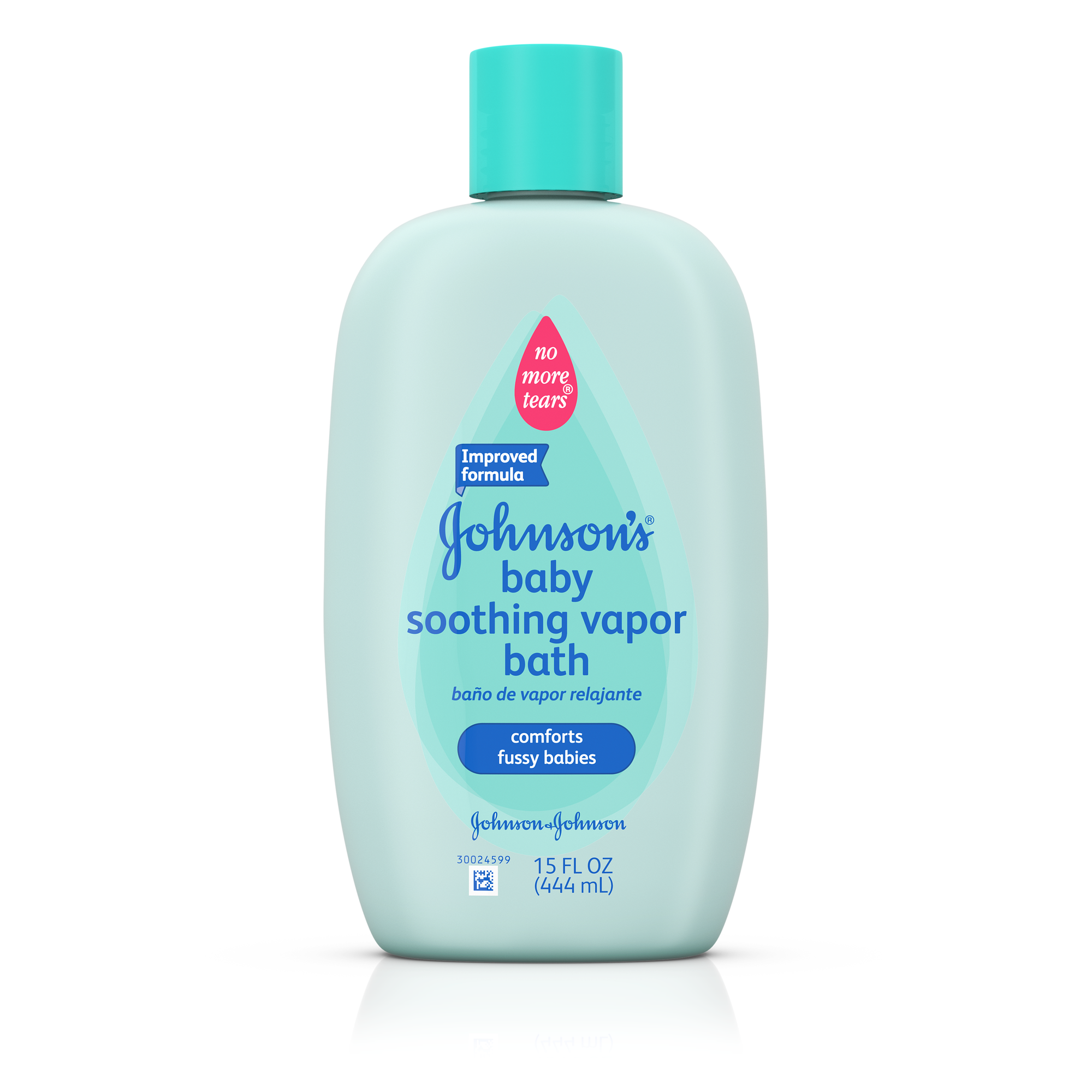
With changing consumer preferences and increased scrutiny on product safety, Johnson’s Baby Powder faces a pivotal moment. The company’s decision to discontinue talc-based powders in North America signals its responsiveness to consumer concerns. Looking ahead, consumers may expect:
- More Talc-Free Options: Johnson & Johnson has indicated plans to develop and promote cornstarch-based alternatives.
- Transparency in Ingredient Sourcing: Increased demand for clarity regarding ingredient safety may lead to more transparent labeling and sourcing practices.
- Innovative Formulations: The company may invest in research and development to create new products that meet evolving consumer needs.
Weighing the Value of Johnson’s Baby Powder

In conclusion, whether Johnson’s Baby Powder is worth its price is a subjective question that ultimately depends on individual values, health concerns, and experiences. While the brand’s reputation and effectiveness have made it a household name, emerging safety concerns and the availability of safer, often more affordable alternatives have led many consumers to reconsider their choices.
As parents become more informed about product ingredients and their potential implications, they are likely to seek transparency and safety above brand loyalty. The future of Johnson’s Baby Powder will depend on its ability to adapt to these changing consumer demands while maintaining the quality and effectiveness that have made it a trusted product for generations.
Ultimately, the decision rests with the consumer—whether to stick with a familiar brand or explore alternative options that align more closely with their values and safety concerns.