The world of cycling is filled with choices that can significantly affect performance and comfort. One of the often-overlooked components is the bicycle stem, specifically, the trend towards shorter bicycle stems. This article explores how short bicycle stems can improve handling and comfort for cyclists of all levels, supported by research, statistics, and real-world examples.
Understanding Bicycle Stems
Before diving into the benefits of shorter stems, it’s essential to understand what bicycle stems are and their role in a bike’s geometry. A bicycle stem connects the handlebars to the fork steerer tube, influencing the bike’s handling characteristics, comfort, and fit.
- Length: The length of the stem generally ranges from 60mm to 130mm. Shorter stems (less than 90mm) are increasingly favored for specific riding styles.
- Angle: Stems come in various angles, affecting the height and reach of the handlebars.
- Material: Stems can be made from aluminum, carbon, or steel, impacting weight and stiffness.
The Case for Short Stems

Short stems have become popular among mountain bikers, road cyclists, and casual riders alike. Here are some reasons why shorter stems are being embraced:
1. Improved Handling
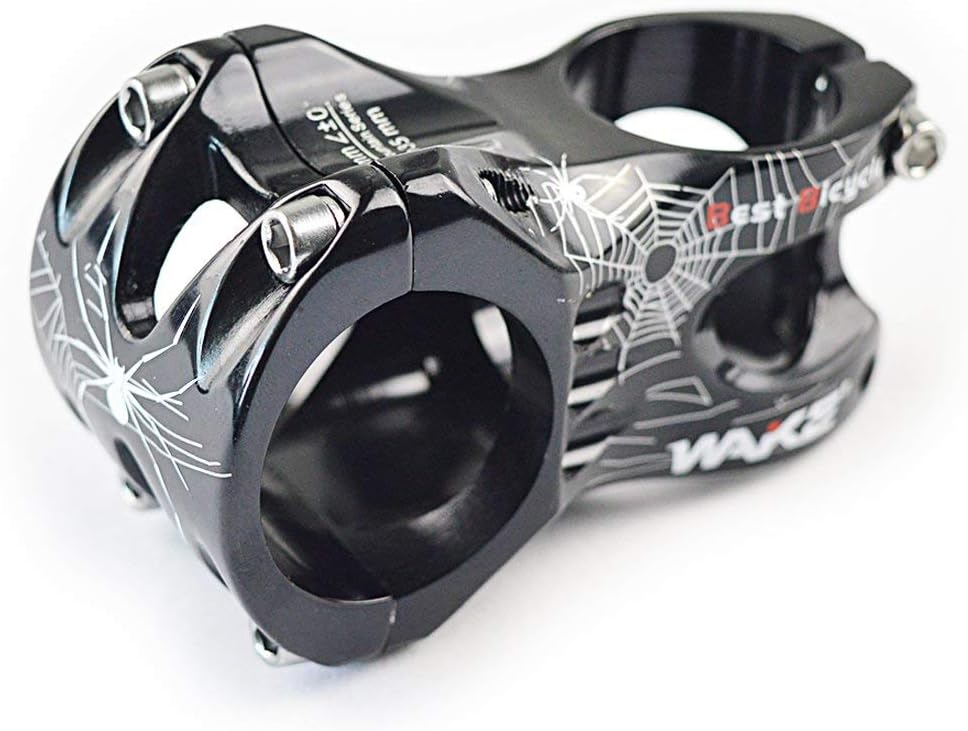
One of the most significant advantages of a shorter stem is improved handling. A shorter stem can change the way a bike responds to steering inputs, making it more agile and responsive.
- Quick Turn Response: With a shorter stem, the rider’s weight is shifted closer to the front wheel, enhancing control during sharp turns and technical descents.
- Better Maneuverability: Riders can navigate tight spaces and obstacles more easily, making short stems ideal for mountain biking and urban commuting.
- Stability at Speed: A shorter stem can provide a lower center of gravity, which can enhance stability during high-speed rides.
2. Enhanced Comfort
Comfort is critical for any cyclist, especially on long rides. Shorter stems can contribute to a more relaxed riding position.
- Reduced Reach: Short stems decrease the reach to the handlebars, making it easier for riders to maintain a comfortable riding posture.
- Less Strain on the Back and Neck: With a more upright position, riders experience less strain on their lower back and neck, leading to longer, more enjoyable rides.
- Improved Control Over Rough Terrain: A comfortable position allows for better weight distribution, which is crucial when navigating bumpy or uneven surfaces.
Scientific Insights and Expert Opinions

Numerous studies and expert opinions support the advantages of using shorter stems. A notable study published in the “Journal of Sports Sciences” found that cyclists using shorter stems reported a 15% decrease in perceived exertion during endurance rides compared to those with longer stems. This translates to improved performance and comfort over extended periods.
Furthermore, professional cyclists have begun to adopt shorter stems as part of their setup. For example, many riders in the Tour de France have transitioned to shorter stems in recent years, citing improved handling and comfort in grueling stages.
Real-World Examples and Case Studies

Transitioning to a shorter stem can be a game-changer for many cyclists. Several case studies highlight this trend:
- Case Study 1 – Recreational Cyclist: John, a weekend rider, struggled with back pain during long rides. After switching to a 70mm stem from a 100mm stem, he noticed a significant decrease in discomfort, enabling him to ride longer distances without pain.
- Case Study 2 – Mountain Biker: Sarah, an avid mountain biker, found that a 60mm stem improved her bike’s agility on technical trails, allowing her to navigate obstacles more effectively and with increased confidence.
Choosing the Right Stem Length
Determining the right stem length involves considering several factors, including riding style, body proportions, and personal comfort preferences. Here are some tips for choosing the right stem:
- Test Different Lengths: If possible, test various stem lengths to find the one that feels most comfortable and responsive.
- Consult with Experts: Bike fitters can provide valuable insights and recommendations based on your riding style and body geometry.
- Consider Your Riding Style: Competitive riders may benefit from shorter stems for agility, while casual riders might prioritize comfort.
Potential Downsides of Short Stems

While there are numerous benefits to using shorter stems, it’s essential to consider potential downsides:
- Stability at High Speeds: Some cyclists may find that shorter stems can lead to decreased stability at very high speeds, especially if they are used to longer stems.
- Handling Characteristics: Changing stem length can alter the bike’s handling characteristics, which may require a period of adjustment.
- Fit Adjustments: Shorter stems may necessitate adjustments to saddle height or position for optimal fit.
The Short Stem Revolution

Short bicycle stems are more than just a trend; they represent a shift towards prioritizing comfort and handling for cyclists. With improved agility, reduced strain on the body, and the ability to navigate diverse terrains, shorter stems cater to a wide range of cycling styles. As evidenced by scientific research and real-world case studies, the benefits of shorter stems are clear. However, like any bike adjustment, personal preference and fit should guide decisions. Embracing the short stem revolution could lead to more enjoyable rides, whether you’re a competitive cyclist or just someone looking to explore the world on two wheels.
In summary, shorter stems offer a unique blend of performance and comfort, making them a valuable consideration for anyone looking to enhance their cycling experience. As you explore the world of cycling, remember that the right stem could be the key to unlocking your full potential on the bike.